Blog
What is the RAD and DAP in aged care?
When beginning to explore aged care and finding out more about how its funded, you will probably be confronted with a whole bunch of abbreviations.
The RAD and DAP are commonly used when discussing pricing in residential aged care.
RAD is short for ‘Refundable Accommodation Deposit’, which is a lump sum payment.
• If you enter aged care after 1 November 2025, Eldercare retains 2% per annum of the RAD balance, up to a maximum of 10% over 5 years. The remainder of the RAD is refunded once you leave Eldercare.

DAP is short for ‘Daily Accommodation Payment’, which are ongoing, non-refundable rental-style payments.
The DAP is calculated by multiplying the RAD of a room (which can be found on each aged care home’s page) by the Maximum Permissible Interest Rate or MPIR (which is set by the government) and divided by the number of days in a year.

To give you an example, if a room has a RAD of $350,000 and the MPIR is 4.07%, the equation will look like the below:
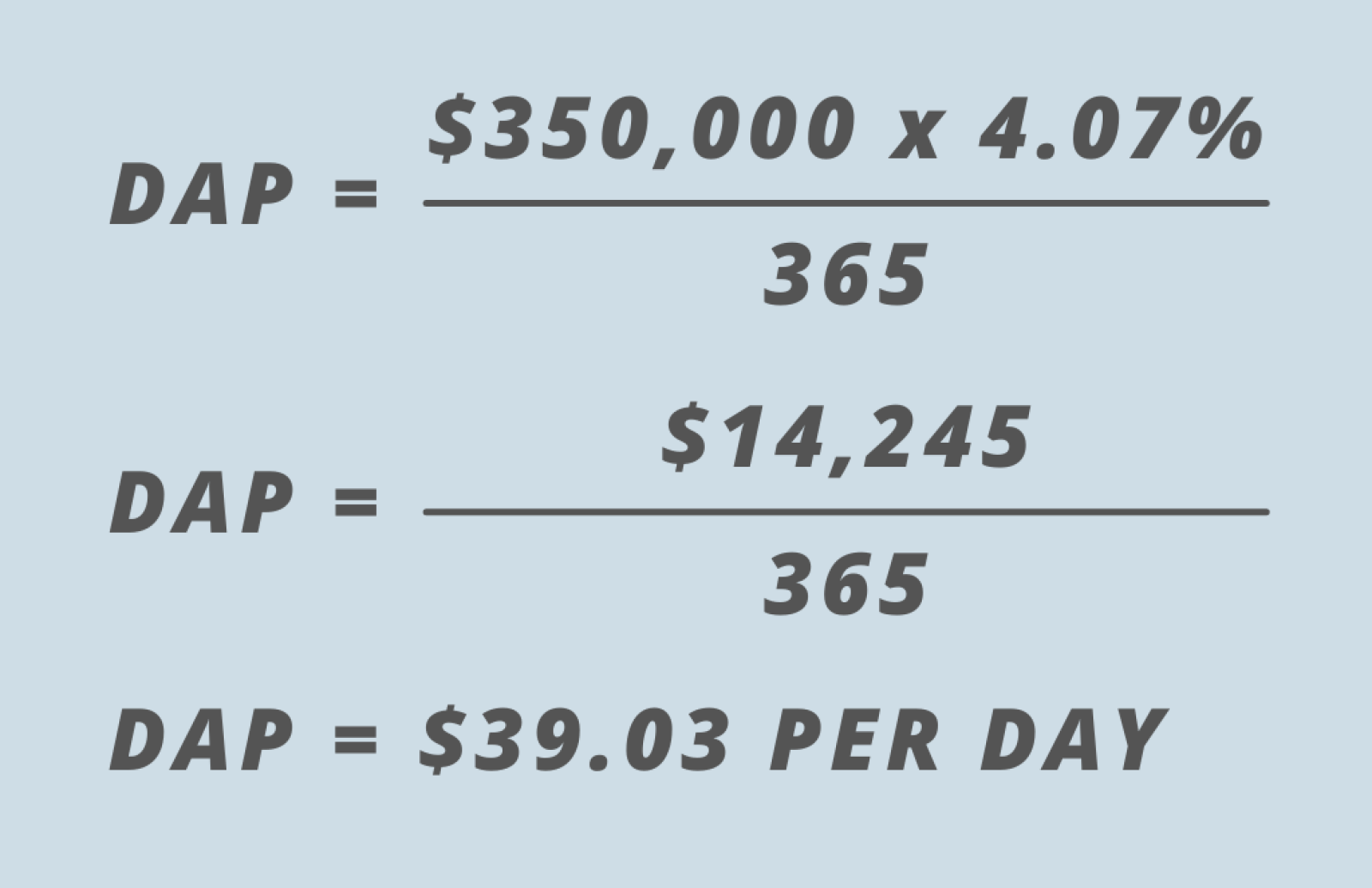
Please note this is an example only. The MPIR changes on a quarterly basis and may be different to what has been supplied here.
If you enter aged care after 1 November 2025, the DAP is subject to indexation twice yearly, which means the DAP that you pay will increase over time
Some people pay for their accommodation with a combination of the RAD and the DAP if they don’t have the full RAD available.
Both of these payments cover accommodation (e.g. the physical room and facilities) only. There are also other fees which cover things like care and higher standard of everyday living services.
You will have 28 days once you enter care to decide which method you will choose.
Want to get a better understanding of how you will be able to pay for your accommodation? Call our experienced residential admissions team on 1300 925 414 during business hours or email admissions@eldercare.net.au and they will be in touch.
Information in this article was correct at the time of publication on 3 November 2025 and may be subject to change.
Related Blogs
Volunteers supporting a positive transition into aged care
The transition into aged care can have an impact on a resident’s mental health and wellbeing, with many experiencing ‘relocation stress’ when leaving their family home.
Mobility Assistants helping residents get moving – and get involved
Eldercare’s Resident Mobility Assistants (RMAs) supplement the Personal Carer role by having a specific focus on increasing resident movement and mobility.